
What Happens When AI Meets Maintenance?
The Future of Lubrication
Have you thought of how AI may change maintenance in your facility?
AI is everywhere right now. Most conversations focus on how it will change office jobs, software, or customer service. But I think one of the more practical uses of AI will happen somewhere completely different, on the plant floor.
More specifically, AI could change how maintenance teams interact with lubrication equipment.
Automatic lubrication has come a long way. Systems that once simply turned a pump on and off can now monitor pressure, flow, lubricant levels, system cycles, and alarms.
We are collecting more information than ever before.
From Alarms to Answers
Most lubrication equipment today is still reactive. Something goes wrong, an alarm occurs, and maintenance starts troubleshooting.
AI could change that.
Imagine a pump that normally takes five seconds to build pressure. Over time, that becomes six seconds, then eight, then ten. The system is technically still operating, but something is changing.
AI could recognize that trend and alert maintenance before the system fails.
The same idea could apply to lubricant consumption, flow, pressure, temperature, and lubrication cycles.
Instead of telling maintenance, “Something failed,” the system could start saying, “Something is changing. You may want to look at this.”
Giving Maintenance a Better Starting Point
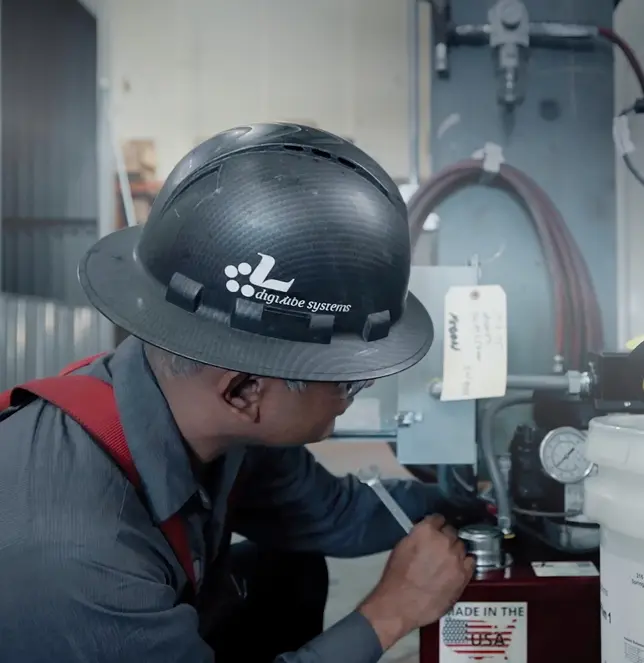
Anyone who has spent time in manufacturing knows how much knowledge lives inside experienced maintenance people. A technician who has worked on a system for 20 years often knows exactly where to start looking when something goes wrong.
As those people retire, that knowledge can be difficult to replace.
Imagine a newer technician asking:
“Why isn’t this lubrication zone building pressure?”
An AI-assisted system could review operating history, alarms, manuals, and previous service information and suggest where to start troubleshooting.
AI isn’t replacing the maintenance technician. It’s giving them better information to do their job.
Could Lubrication Get Smarter?
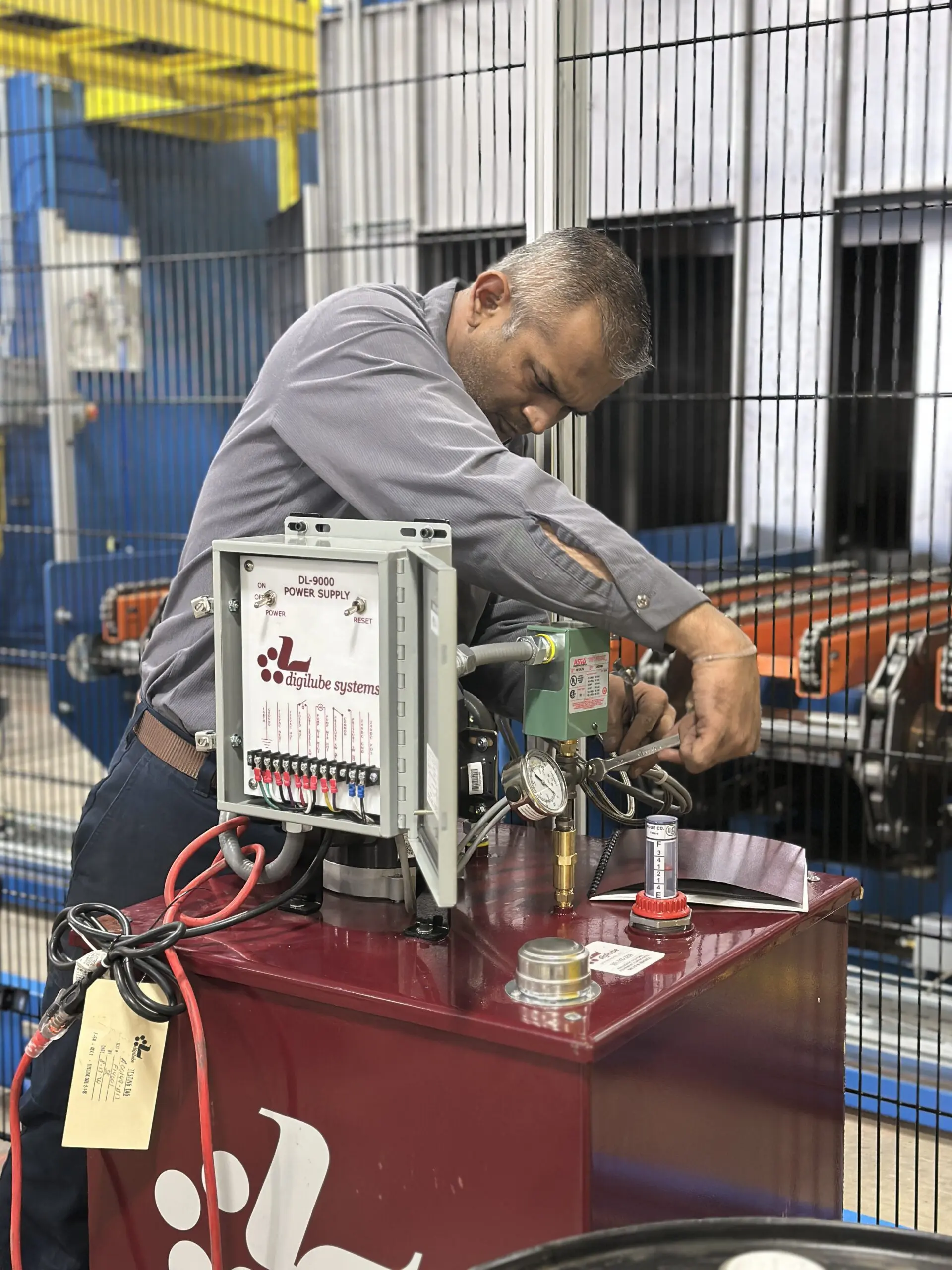
I also believe we will eventually move beyond lubricating equipment primarily based on time.
Why should a conveyor that ran 20 hours receive the same lubrication as one that ran 80?
Future systems could consider running time, conveyor speed, production levels, temperature, and historical lubricant usage to help determine when lubrication is needed.
The goal isn’t necessarily to use less lubricant.
It’s to use the right amount, in the right place, at the right time.
What’s Next?
I don’t believe AI is going to replace good maintenance people. Manufacturing will always need people who understand equipment, solve problems, and make decisions on the plant floor.
But AI could become another tool in their toolbox.
The lubrication system of the future may not simply control a pump. It could learn what normal operation looks like, recognize changes, help troubleshoot problems, and eventually warn maintenance before a failure happens.
We’ve spent decades making lubrication equipment more reliable.
The next step may be to make it smarter.
Brandon Hare, Vice President