Why Thin Film Lubricants are changing Conveyor Lubrication
One of the biggest misconceptions in industrial lubrication is that more lubricant automatically means better protection. While that may seem logical, it’s often the opposite when it comes to modern conveyor chains.
The purpose of lubrication isn’t to soak the chain. It’s to reduce friction and wear where metal components actually contact each other.
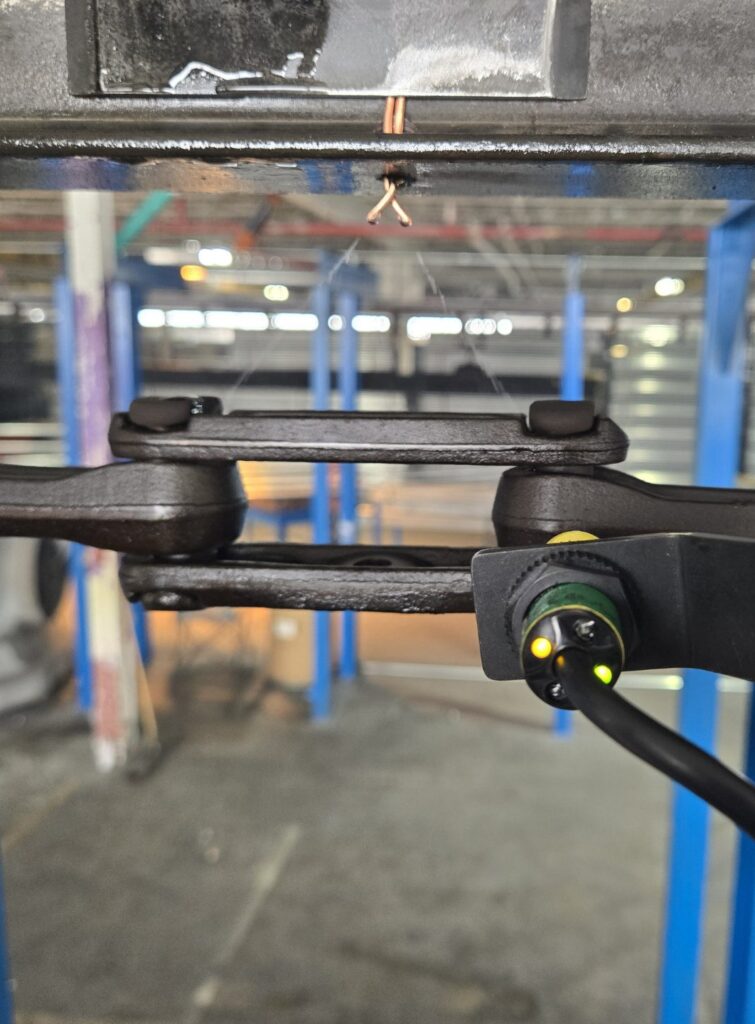
Most conveyor chain wear occurs inside the chain, between the pins, bushings, and rollers. These bearing surfaces articulate thousands of times every hour under load. If lubricant cannot penetrate these internal components, applying more lubricant to the outside of the chain does little to reduce wear.
That’s where thin film lubricants make a significant difference.
Advantages of Cleaner Equipment:
- Reduced friction and wear on pins and bushings
- Cleaner conveyor systems with less residue accumulation
- Reduced attraction of dust, dirt, and airborne contaminants
- Lower lubricant consumption and operating costs
- Less housekeeping around the conveyor
- Longer chain life and improved equipment reliability
The Science behind Thin Film Lubrication
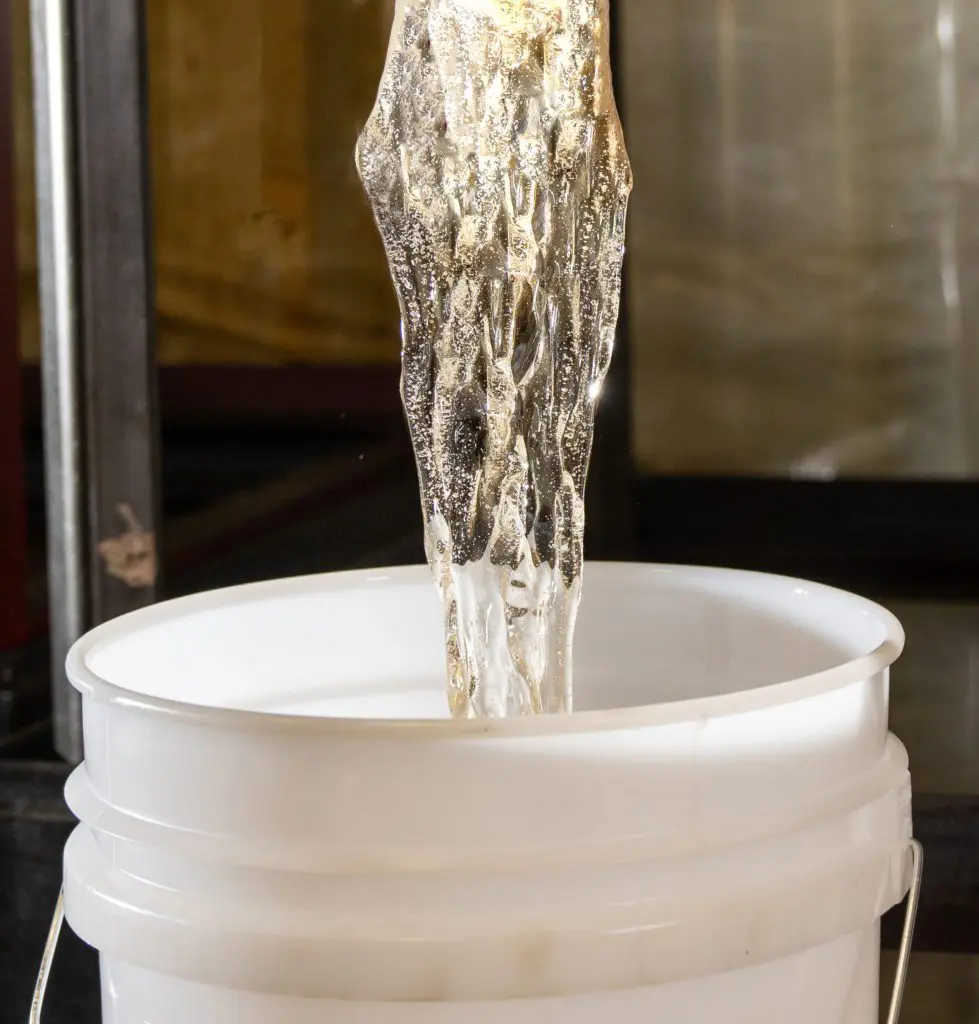
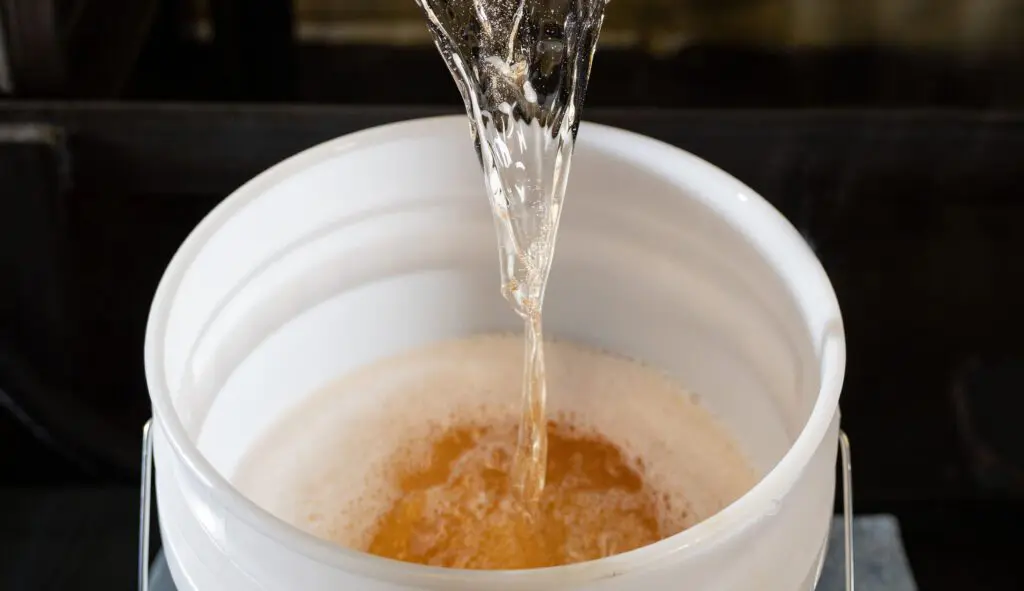
Unlike traditional heavy oils that can leave excessive residue, a properly formulated thin film lubricant penetrates into the chain’s bearing surfaces before leaving behind a microscopic lubricating film. This film provides boundary lubrication, separating metal surfaces and reducing friction while avoiding the heavy buildup associated with over-lubrication.
Excess lubricant often becomes a magnet for contaminants. Dirt, dust, fibers, and other airborne particles can mix with lubricant to create an abrasive paste that actually accelerates component wear. In many applications, applying more lubricant can shorten chain life instead of extending it.
A properly engineered thin film lubrication program focuses on precision rather than volume. The goal is delivering the right lubricant, in the right quantity, at the right interval, so it reaches the areas where protection is needed most.
At Digilube, we’ve found that the cleanest conveyor systems are often the most reliable. When lubrication is applied correctly, chains run cleaner, maintenance requirements decrease, and facilities spend less time reacting to failures and more time keeping production moving.